Caldwell Locksmith Service Team
Local locksmith team
Jun 5, 2026 10 min read
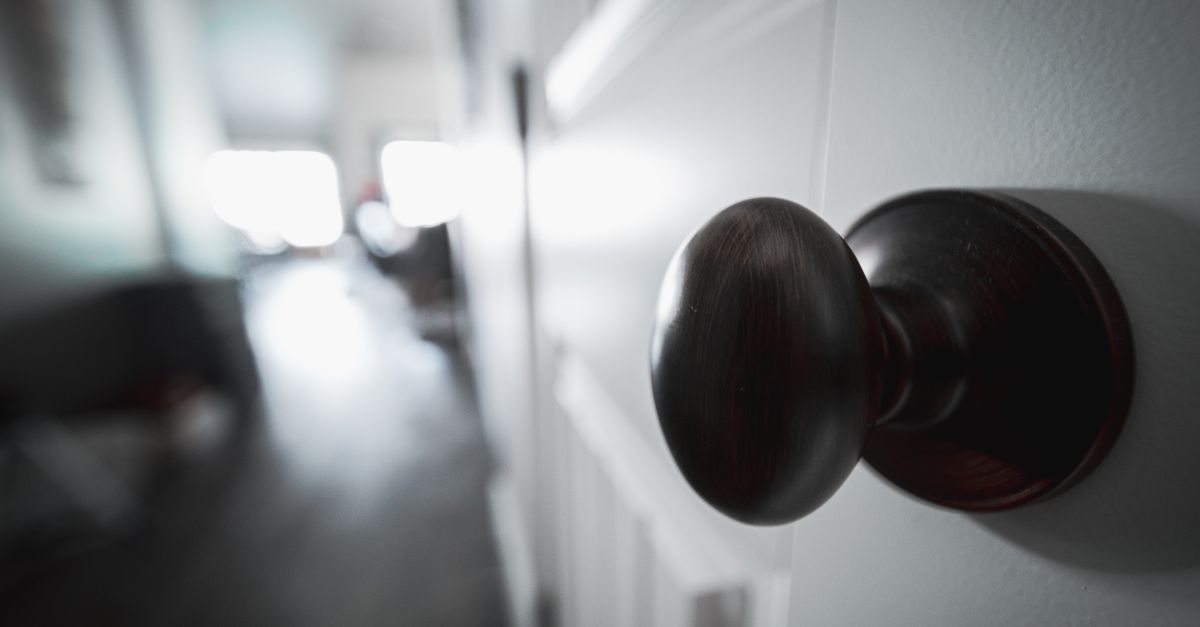
That sinking feeling when you grab your door knob with lock and the cylinder just won't rotate — it happens to homeowners all over the Caldwell area, from older colonials off Bloomfield Avenue to newer builds near the Essex County border. Before you assume the worst and call anyone, it's worth spending five minutes diagnosing the problem yourself. Many sticky or jammed knob locks can be freed with items already in your home, and understanding why the lock seized up in the first place can save you from dealing with the same headache again next winter.
This guide walks you through the most common reasons a door knob lock refuses to turn, what you can safely try on your own, and the clear signals that tell you it's time to hand the job to a trained locksmith. We'll also touch on mortise lock issues, since older Caldwell homes — especially those built before the 1970s — frequently have mortise-style hardware tucked behind decorative knobs, and the two systems fail in completely different ways.
## Why Your Door Knob Lock Won't Turn: The Four Most Likely Culprits
The cylinder inside a knob lock is a precision mechanism. When it refuses to move, one of four things is almost always responsible: a misaligned latch bolt, internal component wear or breakage, dirt and dried lubricant buildup, or a key that has been cut slightly off-spec or has worn down over years of use. Ruling these out one at a time — rather than forcing the knob — is the fastest path to a working lock and the best way to avoid turning a minor fix into a full replacement.
A fifth cause, less obvious but worth mentioning, is door frame shift. Caldwell experiences genuine seasonal temperature swings, and wood doors swell in humid summers and contract in dry winters. If your lock door knob only jams at certain times of year, frame movement is likely pinching the latch and preventing the cam inside from rotating freely. This is especially common on exterior doors that face north or west and absorb the most weather.
## Safe DIY Fixes to Try Before Calling a Locksmith for Your Door Knob Lock
Start with lubrication — it solves more jammed knob locks than any other single fix. Skip WD-40, which is a solvent and will wash away the protective grease inside your cylinder over time. Instead, use a dry graphite spray or a purpose-made lock lubricant, insert the straw nozzle into the keyway, give it two short bursts, then work the key in and out a dozen times. You'll often feel the cylinder loosen within a minute. If the knob itself spins but the latch doesn't retract, the setscrew connecting the knob to the spindle has likely backed out — tighten it with a small flathead or Allen wrench found on the interior rose plate under the knob.
If lubrication doesn't help, examine your key under good light. A key for a door knob with lock and key should have crisp, defined cuts — if the peaks look rounded or the bow is bent, a worn key is binding the pins inside the plug and preventing rotation. A locksmith can cut a new key from the lock's code in minutes, which is far less disruptive than replacing the hardware. One thing to avoid entirely: attempting to pick or manipulate the lock yourself. Beyond the obvious risk of damaging the cylinder, improvised picking tools can snap inside the keyway, turning a solvable problem into a mandatory replacement. If you're locked out, the productive steps are checking a spare key, trying another entry point you're authorized to use, and calling a qualified professional if neither option works.
## Mortise Lock vs. Knob Lock: Know Which System You're Dealing With
Many older homes in the Caldwell area — particularly those along the historic district near Grover Cleveland's birthplace on Bloomfield Avenue — were built with mortise locks, a rectangular cartridge set into a deep pocket routed into the door's edge. A decorative knob or lever on the outside controls the latch; a separate cylinder handles keyed entry; and a thumb-turn or lever on the inside operates the deadbolt. This is a more complex assembly than a standard knob lock, and it fails differently: the case can crack internally, the cam follower that connects the knob to the latch can shear, or the tailpiece on the cylinder can slip out of alignment.
If you pull your door knob away from the door slightly and see a large rectangular faceplate on the door's edge rather than a simple latch plate, you have a mortise lock. Do not attempt to disassemble it without experience — the internal spring and cam arrangement can be difficult to reassemble correctly, and an improperly reinstalled mortise lock can leave a door that appears locked but is not. Our team handles mortise lock repair and replacement as a core service, working with both the vintage hardware common in older Essex County homes and modern mortise lock sets used in commercial and multi-family applications.
## When a Sticky Knob Lock Is Actually an Emergency Locksmith Situation
Some lock failures cross the line from inconvenient to urgent. If a knob lock seizes with someone trapped inside a room — a child locked in a bathroom, an elderly family member who cannot reach a window — that is an emergency locksmith call, not a DIY moment. Similarly, if your front door knob with lock will not retract after what appears to be a forced-entry attempt, treating it as a routine fix could leave your home unsecured overnight. Signs of tampering include fresh scratches around the keyway, a cylinder that turns slightly but never fully retracts the latch, or a knob that wiggles excessively in its collar.
Even outside of emergencies, there are scenarios where professional service simply makes more sense than continued troubleshooting: a broken key stuck inside the cylinder, a lock that has frozen solid during a New Jersey cold snap, or a rental property where you need a verifiable record of re-keying for liability reasons. Caldwell Locksmith is a 24/7 mobile operation — our technician comes to your door, not the other way around — and we carry the tools and replacement hardware for both standard knob locks and mortise lock systems on every service call. If you're at that point right now, call us at 973-545-7224 and we'll have someone on the way.
## Locksmith Caldwell: What to Expect, What It Costs, and What Proof You'll Need
A common question we hear is: how much does a local locksmith charge, or more specifically, how much does a locksmith cost in NJ? There is no single honest answer to that because the final price depends on several factors: the type of lock involved (a basic knob lock costs less to service than a high-security mortise lock or a smart-lock cylinder), the time of day (a 2 a.m. call during an ice storm involves different logistics than a Tuesday afternoon appointment), travel distance to your location within our service area, and whether replacement parts are needed. What we commit to before any work begins is a confirmed, exact up-front quote — no surprises on the invoice.
You may also wonder what proof you need for a locksmith. This is a reasonable and important question. A reputable locksmith will always ask you to verify that you have the right to access the property or vehicle before beginning any work. For a home, that typically means showing a photo ID with a matching address, or a lease agreement if you're a tenant. For a vehicle, registration and ID are standard. This protects you as much as it protects the locksmith, and it's a practice we take seriously on every call. As for what a locksmith call-out fee covers: it typically accounts for dispatch, travel, and the technician's time arriving on-site — separate from the labor and parts involved in the actual service. We explain every line of the quote before we begin. Beyond knob and mortise lock work, our mobile team handles auto locksmith service (car lockouts, transponder keys, ignition issues), commercial locksmith service (access control, panic hardware, master key systems), re-keying, lock upgrades, and more — over 25 distinct services across residential, automotive, and commercial categories.
## Preventing the Next Jammed Door Knob Lock: Simple Maintenance Habits
Lock maintenance is one of those tasks that takes about three minutes twice a year but almost nobody does until something breaks. Every six months, apply a small amount of graphite lubricant to the keyway and work it through the cylinder. Check that your door is hanging level — a door that has dropped even a quarter inch will stress the latch and, over time, wear the internal cam in your knob lock. If you have an older door knob with lock for bedroom or bathroom use that's been in place for more than a decade without service, have a locksmith inspect the cylinder: pin springs weaken over time and can cause the exact intermittent-turning problems homeowners often chase with WD-40 for months.
For exterior locks, consider upgrading to a Grade 1 or Grade 2 rated deadbolt alongside your knob lock — a knob lock alone is not considered adequate security for an entry door because the knob housing can be gripped and forced. Brands like Schlage and Kwikset both offer solid residential options. And if you live in a townhome or condo building near the Caldwell Borough center and share a building entrance, ask your property manager about a master key system or an access control upgrade — our commercial locksmith team handles those assessments regularly in exactly that kind of mixed-use setting.
Frequently asked questions
How much does a locksmith cost in NJ for a stuck door knob lock?+
There is no flat statewide rate. The price depends on the type of lock (standard knob lock, high-security cylinder, or mortise lock), the time of day, travel distance to your location, and whether any replacement parts are needed. Caldwell Locksmith provides a confirmed, exact up-front quote before any work begins so you know precisely what you're agreeing to. Call 973-545-7224 to describe your situation and get an on-the-spot estimate.
What proof do I need for a locksmith to let me into my own home?+
A trained, responsible locksmith will always verify your right to access the property before starting work. For a home, a government-issued photo ID showing the same address is the standard — or a lease agreement if you are a tenant rather than the owner. For a vehicle lockout, current registration and a matching ID are typically required. This step protects you and ensures the service is being performed legitimately, which is something our team takes seriously on every call.
What is a locksmith call-out fee, and does Caldwell Locksmith charge one?+
A call-out fee — sometimes called a service fee or dispatch fee — covers the cost of sending a technician to your location: their travel time, fuel, and the administrative overhead of dispatching a mobile unit. It is separate from the labor and parts required for the actual job. We are transparent about every component of the quote before any work begins. Because we are a 24/7 mobile locksmith, we come directly to you in the Caldwell area and surrounding Essex County communities.
My knob lock turns but the latch won't retract — is that a locksmith job or a door adjustment?+
It can be either, and sometimes both. If the latch retracts when you operate the knob with the door open but binds when the door is closed, the issue is almost certainly door frame alignment or a strike plate that has shifted — a carpenter or a skilled locksmith can address that. If the latch fails to retract regardless of whether the door is open or closed, the internal cam or spindle connection inside the knob lock has likely broken and the hardware needs to be serviced or replaced. Caldwell Locksmith handles both scenarios and can diagnose the root cause on-site.