Why Keys Snap and What Happens Inside the Lock
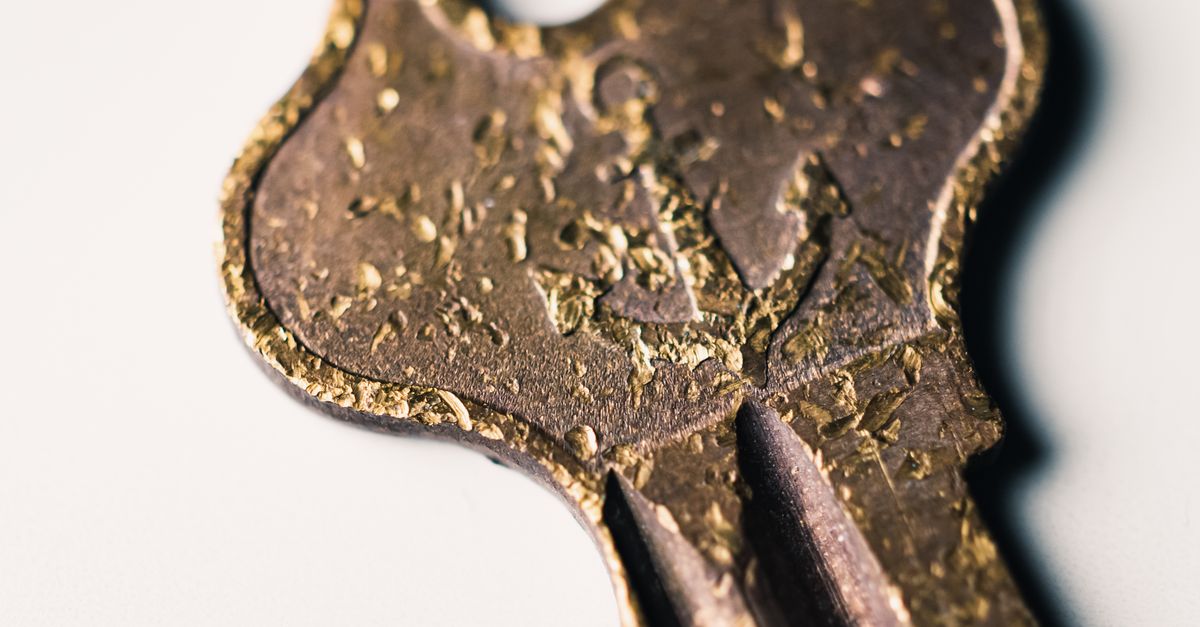
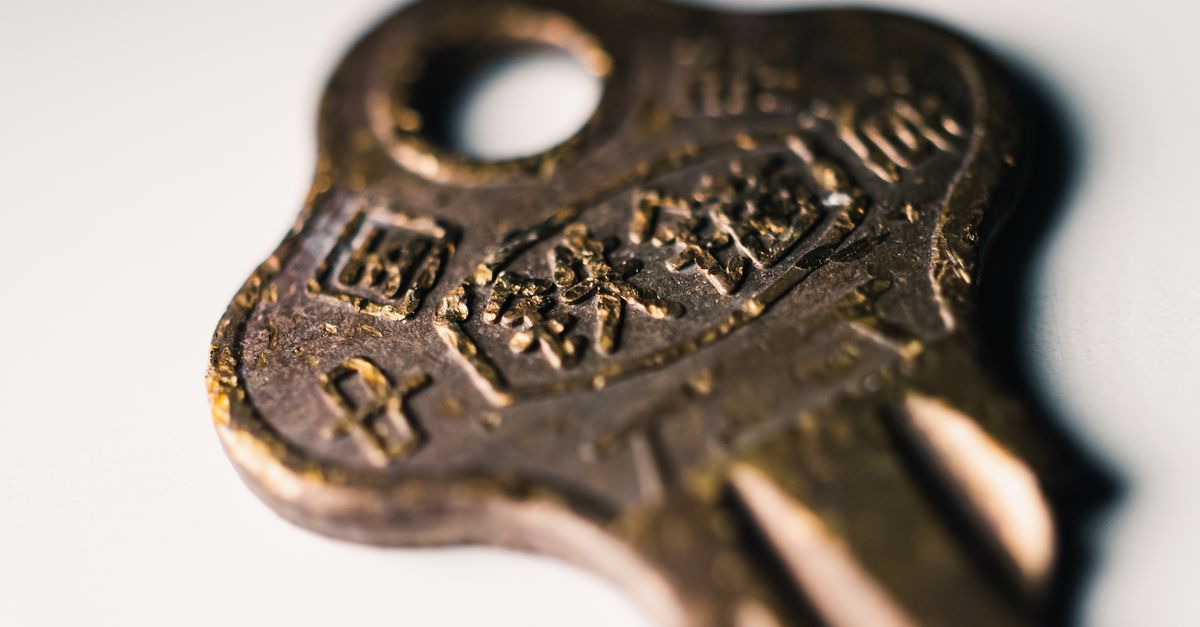
Keys break for a handful of predictable reasons: metal fatigue from years of twisting under slight misalignment, a lock cylinder that has become stiff or corroded, a copy-of-a-copy key that was cut too thin at the blade, or simple bad luck on a cold January morning when metal is more brittle. When the break happens mid-turn, the remaining fragment is often wedged at an angle inside the plug, sometimes with the bow-end still protruding just a millimeter or two above the keyway — not enough to grip. In older Caldwell homes and commercial buildings, mortise locks are especially common, and their deeper, more complex keyways can hold a broken fragment in a position that is genuinely difficult to reach without the right extraction picks and plug followers. Understanding what is happening inside the cylinder is the first step toward removing the piece without turning a minor incident into a full lock replacement.
The internal position of the fragment depends on how far the key had rotated when it broke. If it snapped in the neutral position, the cuts on the fragment may still be partially aligning with the driver pins, which actually makes extraction easier. If it snapped mid-rotation, the fragment may be holding the plug in a partial turn, putting lateral pressure on the piece that must be relieved before extraction is attempted. Our technicians assess this immediately upon arrival — it changes the entire approach, and rushing past this step is exactly why DIY attempts so often fail.