
What Is a Mortise Lock and Why Caldwell Homes Have So Many of Them
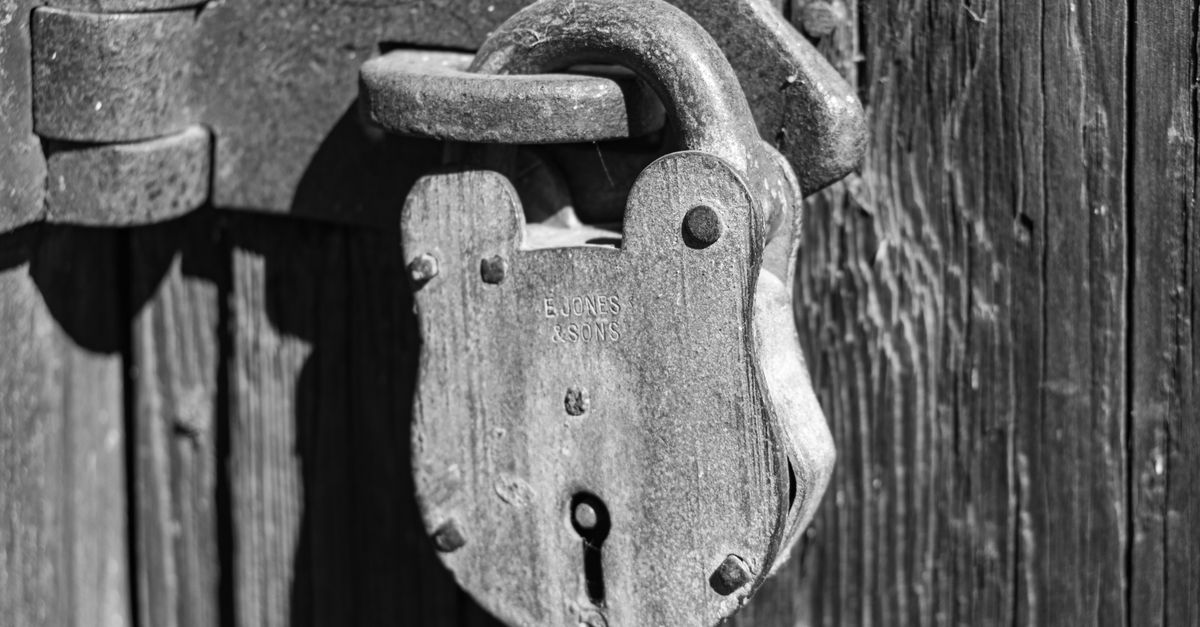
A mortise lock is a complete lock mechanism — latch, deadbolt, strike, and often a privacy or passage function — housed inside a rectangular metal case that sits in a precisely routed pocket, or mortise, carved into the door's edge. Unlike a cylindrical lock set that bores two holes through the door face, a mortise lock set requires a deep, narrow cavity that the door was originally built around. That is why you cannot simply pull one out and drop in a standard knob lock: the mortise pocket remains in the door and must be fitted with a replacement body of matching dimensions. Caldwell's older residential neighborhoods were developed heavily between the 1890s and 1940s, a period when mortise hardware dominated the market, and many of those original lock bodies — some still bearing manufacturer stamps from long-defunct hardware houses — remain in daily service today.
The mechanical advantage of a properly functioning mortise lock is real: a full-length throw bolt combined with a spring latch gives more contact with the strike plate than a typical cylindrical lock. The vulnerability is age. Internal springs fatigue, the case itself can crack under impact, the mortise lock cylinder can wear to the point where the key turns loosely or not at all, and the tailpiece that connects the cylinder to the cam mechanism can shear entirely. Knowing which failure mode you are dealing with — and whether a rebuild or a full-body replacement is the right call — is exactly the skill set Caldwell Locksmith technicians bring to every service call.